
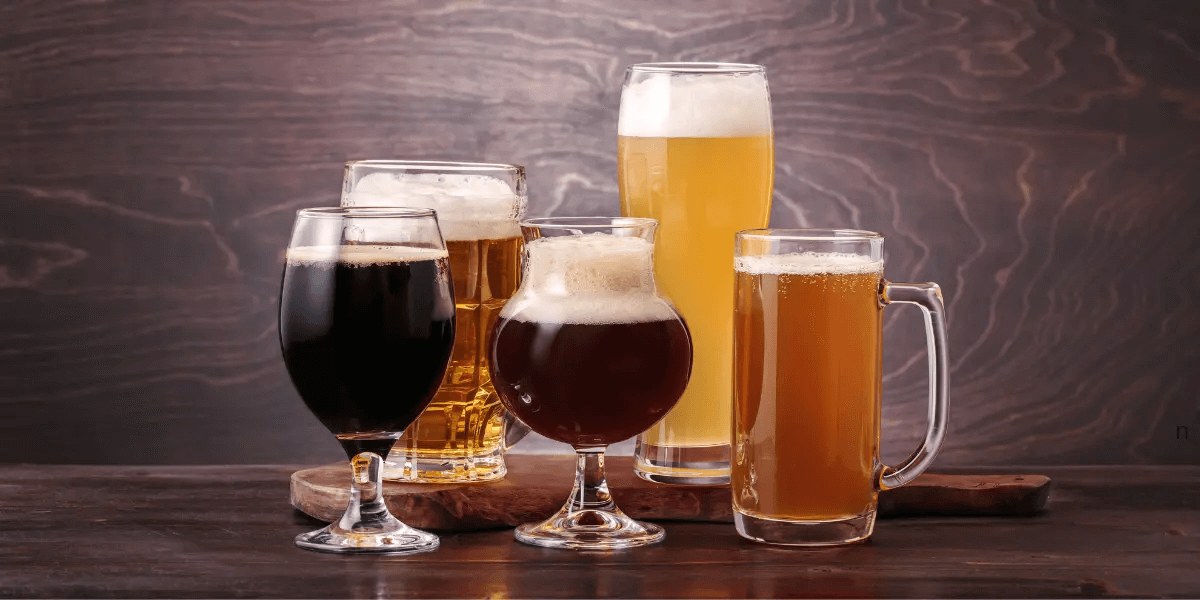
The Aesthetics of "Low Residual Sugar" — How It Affects Taste and the Body
Residual sugar, a term that seems professional yet is closely tied to our daily drinking experience. It refers to the sugars remaining in beer after fermentation — those that yeast failed to fully consume. From a numerical perspective, it's the "actual extract" minus the "apparent extract" (with the unit being Plato or Brix). But beyond the numbers, residual sugar is like an invisible hand shaping the beer's flavor, texture, and even our physical response after consumption.
In recent years, "low residual sugar" has gradually emerged as an aesthetic pursuit in craft beer, rather than just a technical indicator. It's not about blindly pursuing "zero sugar" but exploring a balanced state between flavor expression and body comfort. This balance is like a tightrope walk: too much residual sugar can make the beer cloying, masking the nuances of hops and malt; too little, and the beer might taste sharp or thin, lacking depth.
How Low Residual Sugar Shapes Taste: A Subtle Game of Contrast
The most direct impact of low residual sugar lies in the "cleanliness" of the taste. Beers with higher residual sugar (such as some wheat beers or milk stouts) often present a round, sweet profile, like a soft sofa that wraps around the palate. In contrast, low-residual-sugar beers are more like a well-tailored suit — neat and crisp. For example, a classic Pilsner with low residual sugar allows the bitterness of noble hops and the malt's subtle sweetness to stand out clearly, with each layer of flavor distinct yet harmonious.
It also amplifies the "refreshment" of the beer. The low sugar content reduces the sense of heaviness, making the beer more drinkable. This is particularly evident in summer beers: a Kölsch or a Session IPA with low residual sugar, when chilled, brings a briskness that cuts through the heat, with the hop aroma and mild bitterness lingering on the tongue, free from the burden of sweetness.
Moreover, low residual sugar enhances the "transparency" of flavor. It's like wiping a fogged window — when the sugar is reduced, the unique characteristics of ingredients such as specialty malts, wild yeast, or barrel aging become more prominent. A sour beer fermented with wild bacteria, for instance, relies on low residual sugar to highlight the complexity of lactic acid, acetic acid, and fruity esters; the slight sweetness left is just enough to balance the acidity, creating a refreshing rather than harsh sourness.
The Body's Response: Lightness as a New Kind of Comfort
Beyond taste, low residual sugar's influence on the body is even more significant, which explains why it's favored by health-conscious drinkers.
First, it reduces the "post-drinking burden." High residual sugar means more calories (each gram of sugar provides about 4 kcal), and excessive consumption can easily lead to a bloated or sluggish feeling. Low-residual-sugar beers, on the other hand, are lighter in calories and less likely to cause gastrointestinal discomfort, making them more suitable for extended drinking occasions — such as a gathering with friends that lasts into the night, where you can enjoy the atmosphere without worrying about a heavy stomach.
Second, it aligns with the modern pursuit of "moderation." In an era where people are increasingly mindful of sugar intake, low residual sugar offers a guilt-free option. It's not about abstinence but about enjoying beer in a more sustainable way — you can savor the craftsmanship without fretting over excessive sugar.
The Technical Secrets Behind Low Residual Sugar: It's Not Just About Yeast
Achieving an ideal low-residual-sugar profile is far more complex than simply letting yeast "eat more sugar." It's a comprehensive result of raw material selection, yeast management, and fermentation control.
Malt selection is crucial. Malts with high fermentability (such as pale malt, Pilsner malt) provide more fermentable sugars, laying the foundation for low residual sugar. In contrast, malts with high dextrin content (like crystal malt) are harder for yeast to 分解,which tends to increase residual sugar.
Yeast strain is a key player. Some yeast strains (such as certain ale yeasts or lager yeasts) have strong sugar-consuming abilities and can fully ferment maltose, maltotriose, and even some dextrins, leaving little residue. Brewers often screen or domesticate yeast to adapt to high-fermentability environments.
Fermentation control tests precision. Temperature, pH, oxygen levels, and nutrient supply all affect yeast activity. For example, maintaining a stable temperature during the logarithmic growth phase of yeast can promote their metabolism, ensuring thorough sugar utilization.
Beyond the "Low" Trend: A Return to Flavor Essence
It's important to emphasize that "low residual sugar" is not a universal standard. Some styles (like barley wine, porter, or Belgian strong ale) rely on moderate residual sugar to balance high alcohol content or intense bitterness, creating a rich, layered taste. The true essence of craft beer lies in "suitability" — using appropriate residual sugar to serve the style's characteristics, rather than being hijacked by a single indicator.
The rise of low residual sugar aesthetics reflects a deeper change in consumer demand: while pursuing flavor diversity, people are also paying more attention to "comfort" — hoping that beer can be not only a social drink but also a beverage that harmonizes with the body. It's a return from excessive pursuit of "strong flavors" (such as extreme bitterness or sweetness) to a more restrained and balanced taste philosophy.
When you take a sip of beer with low residual sugar, what you taste is not just the absence of sweetness, but the clarity of malt, the vitality of hops, and the liveliness of yeast — a pure expression of the ingredients themselves. And after drinking, the lightness left in the body is perhaps the best feedback that craft beer gives to modern life.
PRODUCTS
Related recommendations
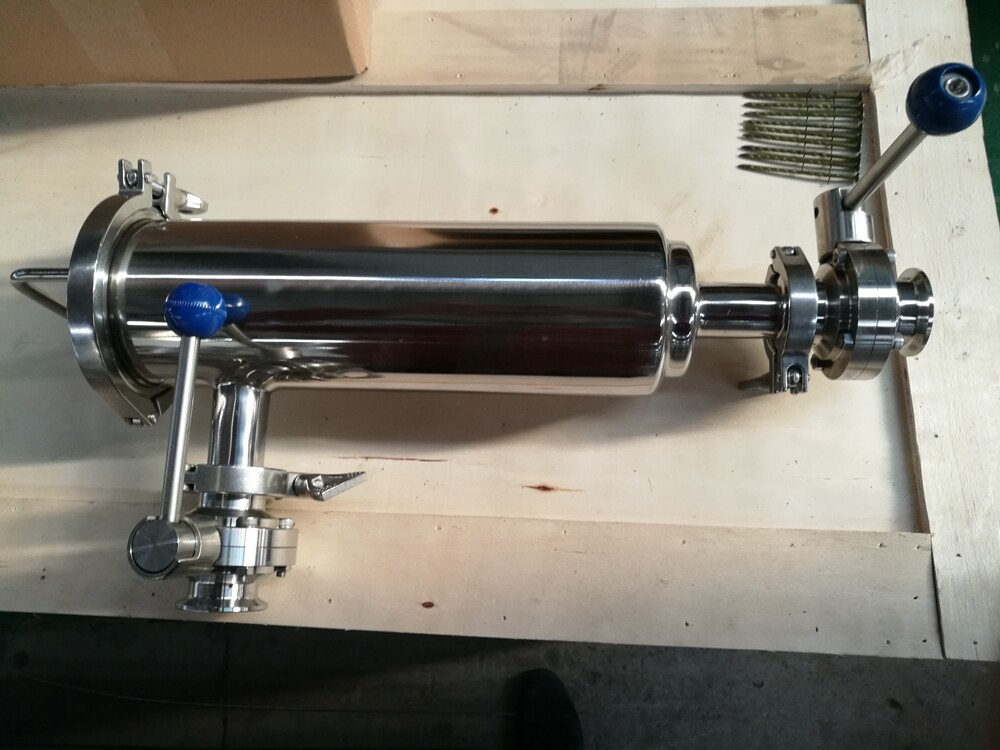
 How to Choose the Right Hop Strainer for Craft Beer Brewing Systems | Brewery Equipment GuideChoosing the right hop strainer is essential for maintaining wort clarity, protecting pumps and heat exchangers, and improving overall brewing efficiency. This guide explains how hop filters work in craft beer brewing equipment and compares different types to help breweries make the right selection.
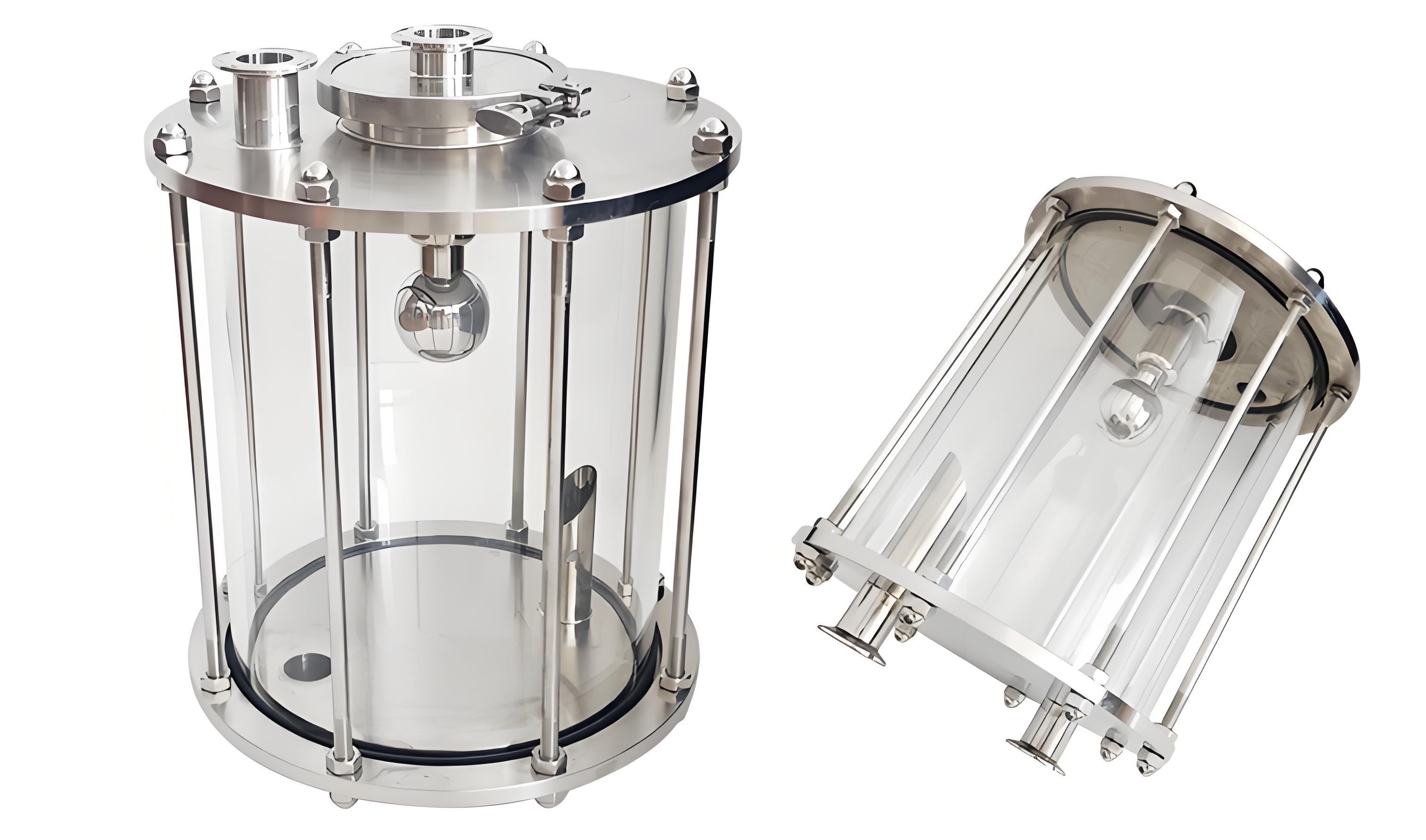
 Function of the Sight Glass Balance Tank on a Lauter Tun | Craft Beer Brewing Equipment GuideThe sight-glass balance tank is a small but critical component of a lauter tun in modern craft beer brewing equipment. It helps brewers maintain stable liquid levels, protect the grain bed, and achieve clear, high-quality wort during lautering. This article explains its function, advantages, and why every microbrewery setup should have one.
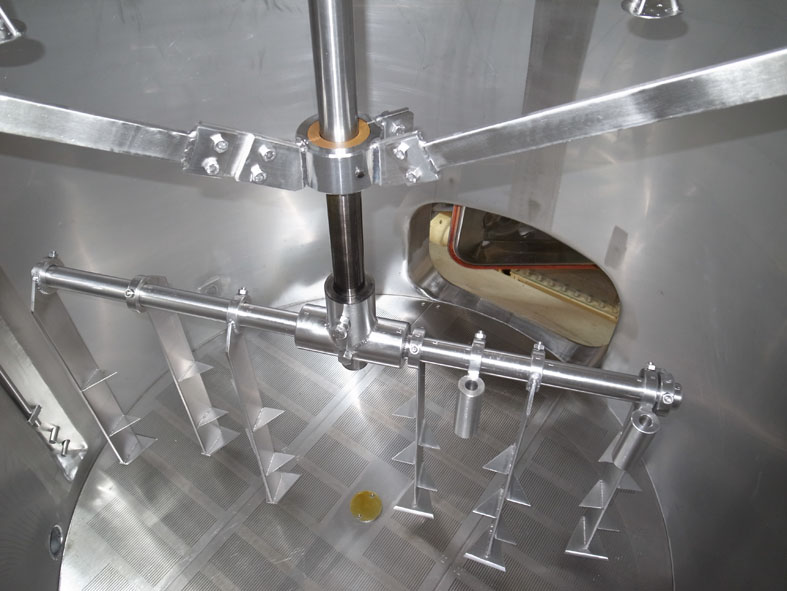
 Lauter Tun Backflush System in Craft Beer Brewing Equipment: Design, Function & Efficiency BenefitsThe backflush system at the bottom of the lauter tun is an essential feature in modern craft beer brewing equipment. It ensures smooth wort filtration, prevents stuck mash, and improves cleaning efficiency. This article explains its design, how it works, and why every microbrewery should choose a lauter tun with a reliable backflush structure.
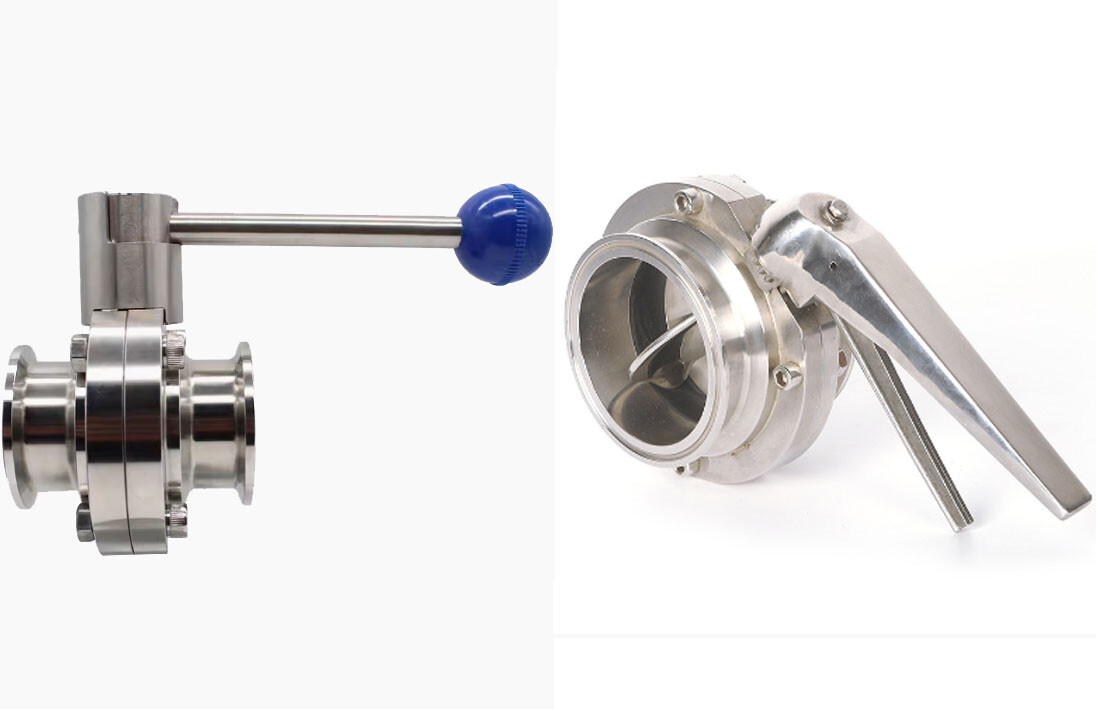
 Rod-Handle Butterfly Valve vs. Lever-Duckbill Butterfly Valve: Which Is Better for Your Craft Beer Brewing Equipment?Selecting the right sanitary valves is crucial for any craft beer brewing equipment setup—whether it’s a brewhouse system, a fermentation cellar, or a CIP cleaning loop. Among the most commonly used valves are the rod-handle (pull-handle) butterfly valve and the lever-duckbill butterfly valve. Although both valves look similar and are widely used in stainless steel brewery fittings, their performance, durability, and user experience can vary greatly.
This article compares the two valve types in terms of structure, operation, hygiene, maintenance, and where they best fit in a microbrewery system. The Aesthetics of Low Residual SugarExplore how low residual sugar shapes the flavor, mouthfeel, and drinkability of craft beer. This blog dives into its technical background, sensory impact, and how it aligns with modern drinkers’ pursuit of balance and body comfort.
") Belgian Wheat Beer Recipe (1000L Batch)Discover our 1000L Belgian wheat beer recipe with pilsner malt, wheat malt, coriander, and orange peel. Perfect for craft breweries using 1000L brewing systems and Belgian yeast strains.
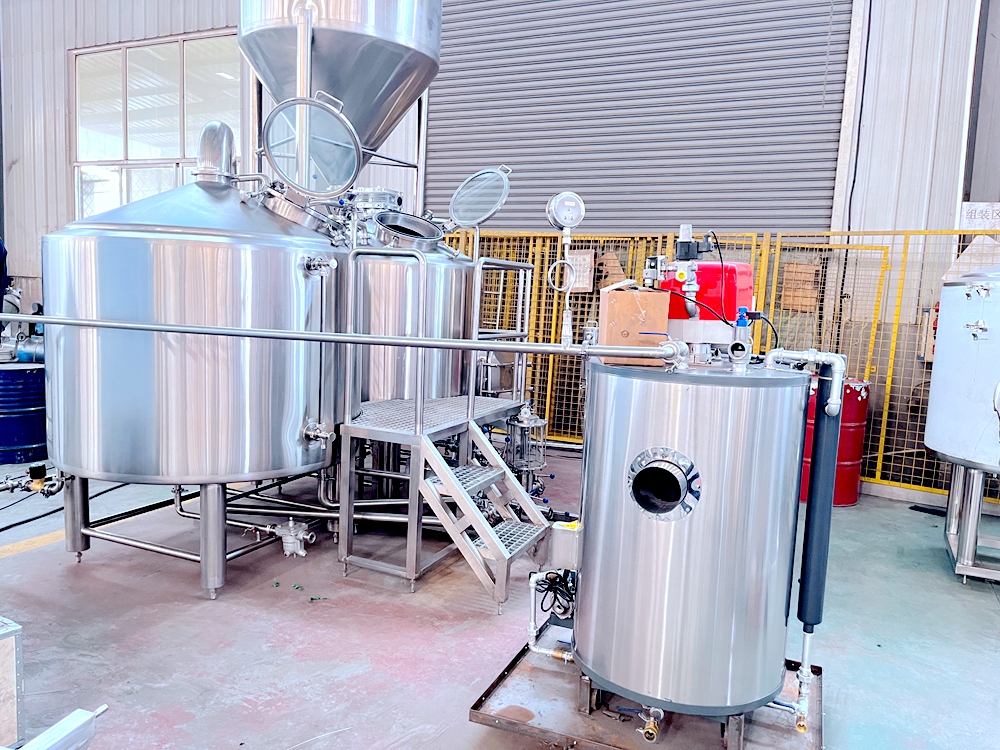
Belgian Wheat Beer Recipe (1000L Batch)Discover our 1000L Belgian wheat beer recipe with pilsner malt, wheat malt, coriander, and orange peel. Perfect for craft breweries using 1000L brewing systems and Belgian yeast strains. Steam Boiler - Should it be left on all the time?In craft beer brewery equipment, maintaining the boiler system properly is crucial for efficient brewing and equipment longevity. One common practice is to keep the brewery boiler running continuously, even during idle periods. The main reason behind this is to prevent corrosion inside the boiler.
When the boiler is turned off, the treated water containing essential chemical additives is no longer circulated. These chemicals play a vital role in countering oxidation, which can damage the boiler metals that come into contact with water. Many modern brewery boiler systems either preheat the water or inject oxygen scavengers to minimize oxidation during operation.
Keeping the boiler running at a low fire or idle state maintains the water temperature, which helps reduce the dissolved oxygen content. This warm environment, along with continuous circulation of protective chemicals, effectively prevents corrosion inside the boiler.
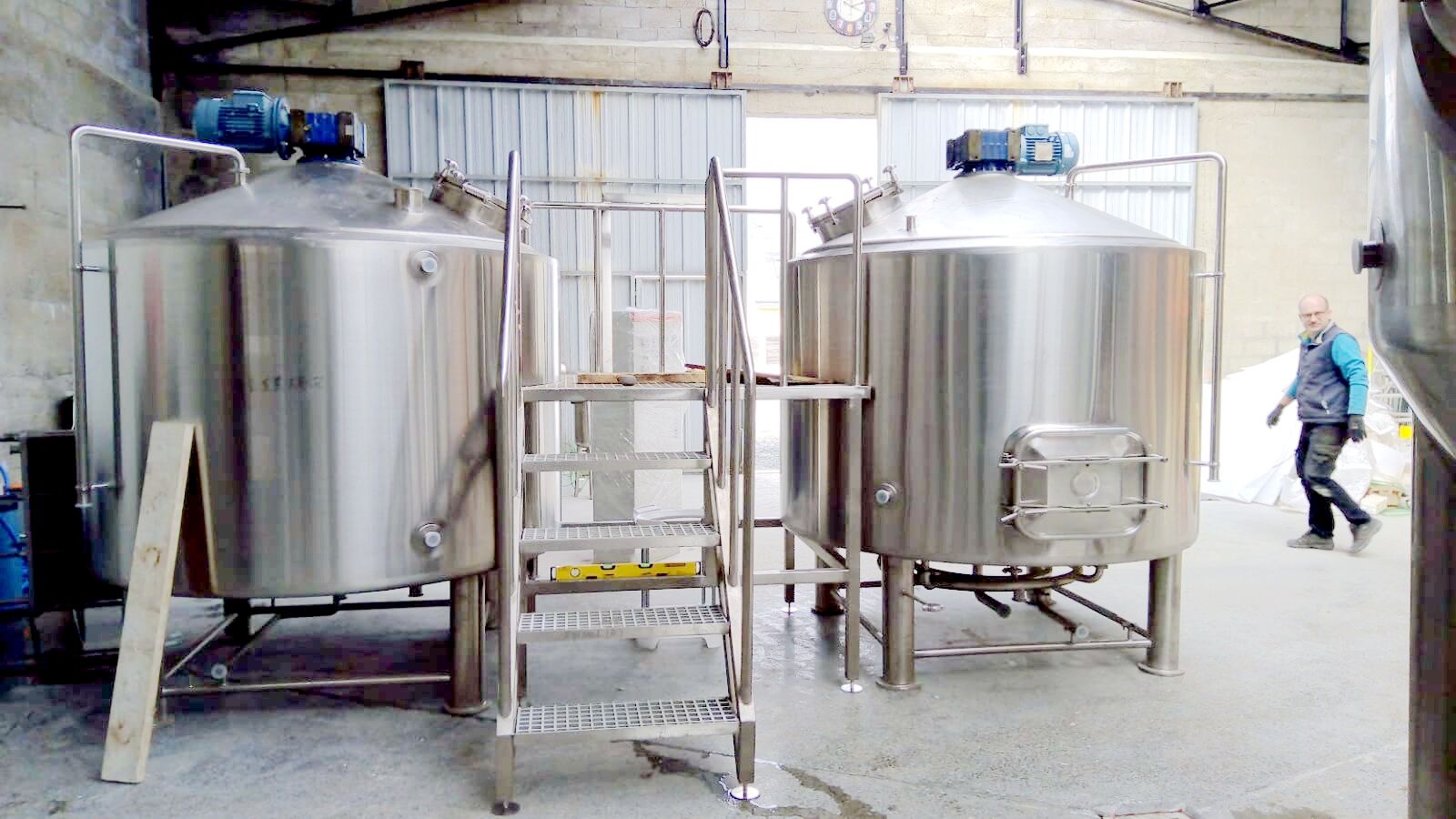
For craft breweries using sophisticated brewing equipment, understanding and applying these boiler maintenance practices can extend the lifespan of the boiler and ensure consistent brewing quality. Proper management of the brewery boiler system is essential to protect your investment and maintain smooth operation throughout the brewing process. 2000L Craft Beer Brewery in FranceThis 2000L beer brewery is under assemble right now, will be finished soon.
It contains 2 vessels brewhouse, 2000L fermenter, and other necessary system.
Cooling system is stainless steel pipeline, which is assembled at our factory, you can assemble it easily.
We write number on each pipe port, it is easy for you to assemble this brewery based on number, it is good during this COVID-19 period.

Please give us a message