
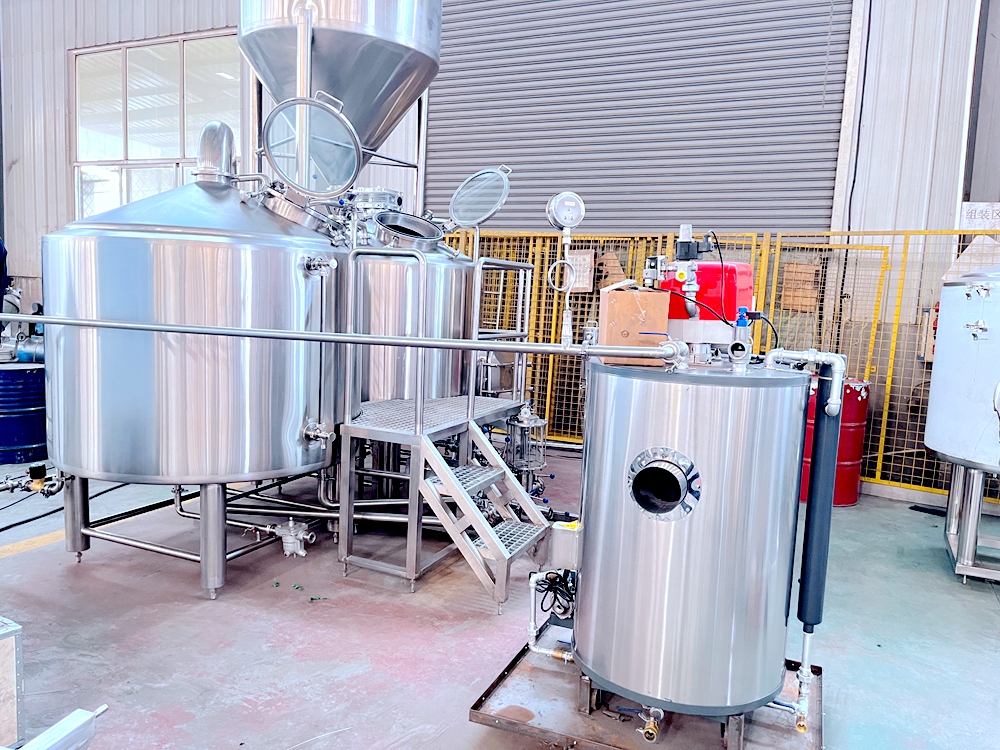
Steam Boiler -- Should it be left on all the time?
In craft beer brewery equipment, the boiler system plays a critical role in the brewing process, providing steam and heat for mashing, lautering, and other key stages. A common practice among brewers is to leave the brewery boiler running continuously to prevent internal corrosion.
When the boiler is turned off, the treated water—containing essential chemicals that inhibit oxidation—is no longer circulated. This increases the risk of corrosion to the boiler metals that come in contact with water. Many modern brewery steam boilers are designed to preheat water or inject oxygen scavengers, reducing oxidation and protecting sensitive components.
Keeping the boiler on at a low fire or idle state maintains hot water circulation, which lowers dissolved oxygen levels and allows protective chemicals to work effectively inside the system. This corrosion prevention practice helps extend the lifespan of the brewery boiler and other associated craft beer brewing equipment.
However, continuously running a boiler can be costly, especially with rising gas prices. Fortunately, newer low-water-content steam boilers allow the system to enter standby mode or shut off gas combustion while remaining powered to maintain system readiness and conserve fuel.
The key to protecting your investment is to invest in proper water treatment and chemical programs. With effective water treatment, brewers can safely turn off the boiler during idle periods, reducing fuel consumption without compromising internal corrosion protection. The chemical and deoxidizing procedures will safeguard the brewery boiler system until it’s needed again.
Understanding these boiler management strategies is essential for craft breweries aiming to optimize their equipment performance, control operational costs, and ensure a reliable brewing process from start to finish.
PRODUCTS
Related recommendations
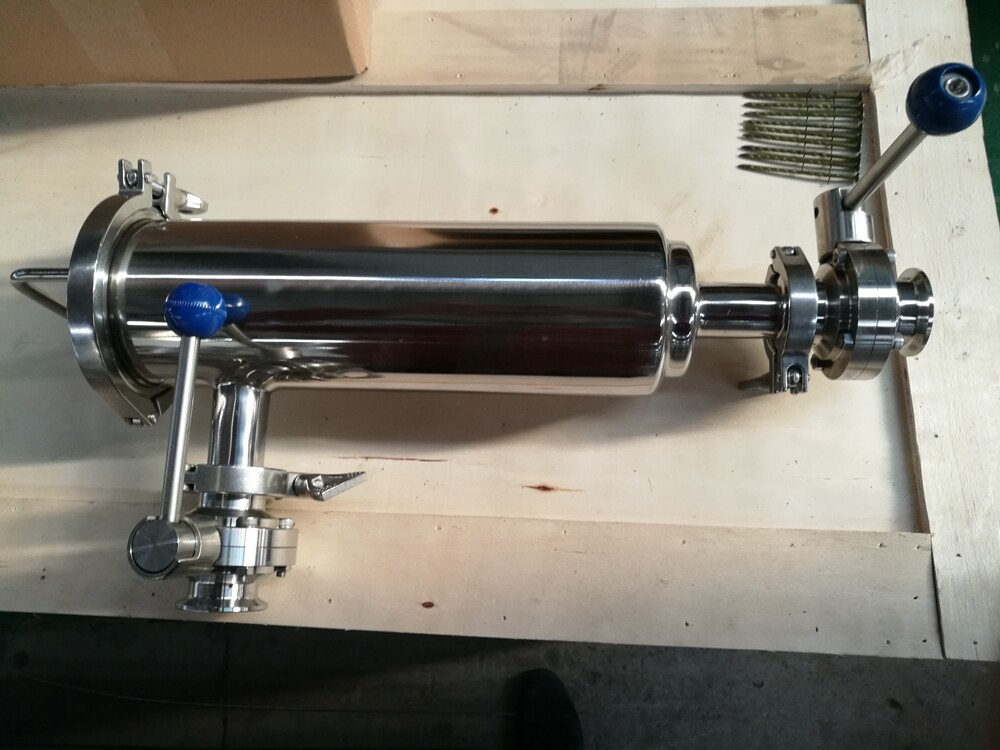
 How to Choose the Right Hop Strainer for Craft Beer Brewing Systems | Brewery Equipment GuideChoosing the right hop strainer is essential for maintaining wort clarity, protecting pumps and heat exchangers, and improving overall brewing efficiency. This guide explains how hop filters work in craft beer brewing equipment and compares different types to help breweries make the right selection.
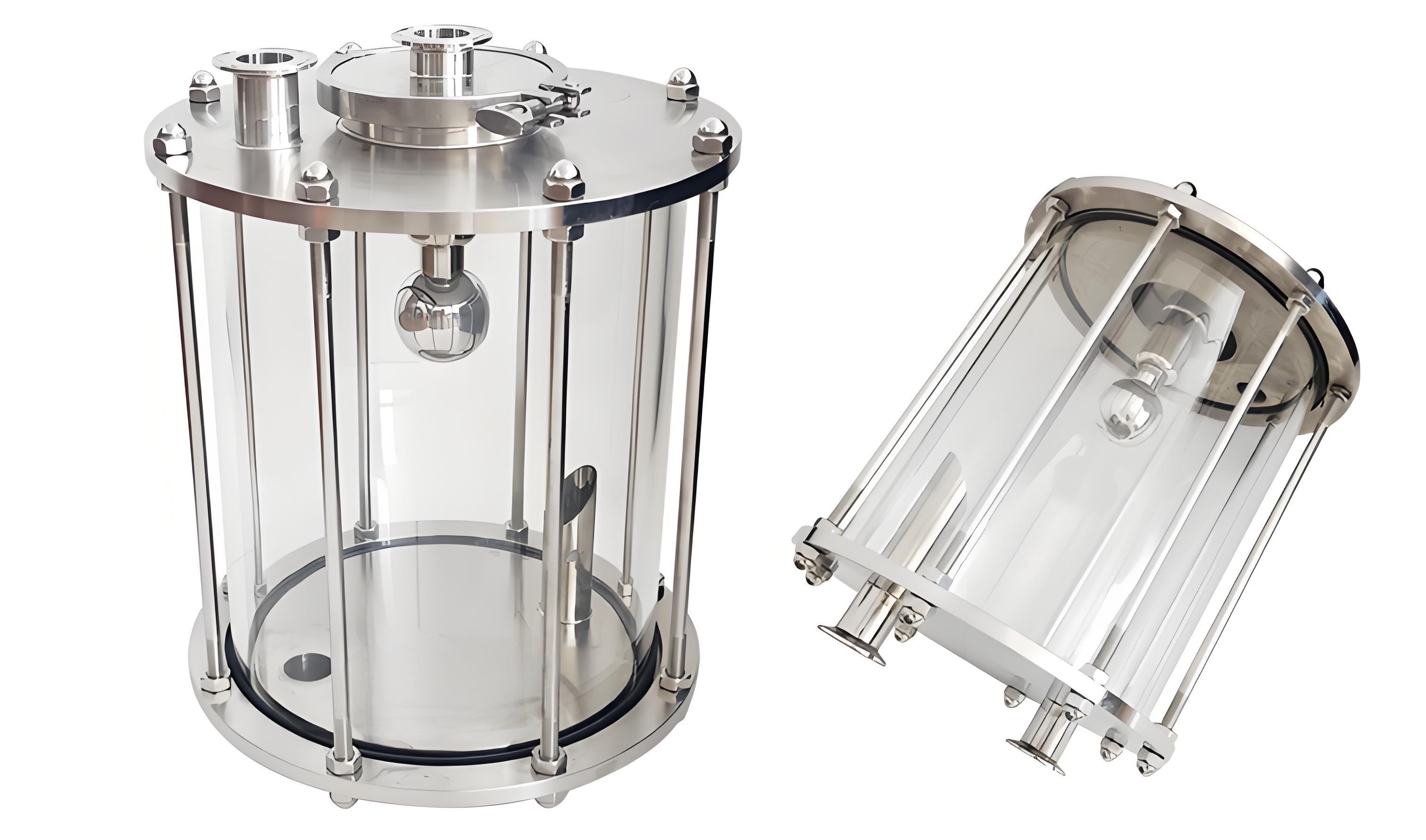
 Function of the Sight Glass Balance Tank on a Lauter Tun | Craft Beer Brewing Equipment GuideThe sight-glass balance tank is a small but critical component of a lauter tun in modern craft beer brewing equipment. It helps brewers maintain stable liquid levels, protect the grain bed, and achieve clear, high-quality wort during lautering. This article explains its function, advantages, and why every microbrewery setup should have one.
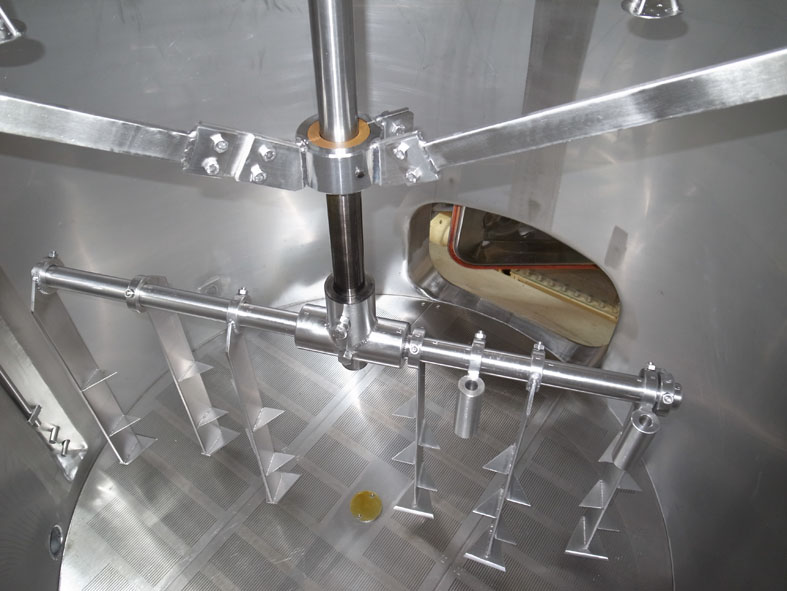
 Lauter Tun Backflush System in Craft Beer Brewing Equipment: Design, Function & Efficiency BenefitsThe backflush system at the bottom of the lauter tun is an essential feature in modern craft beer brewing equipment. It ensures smooth wort filtration, prevents stuck mash, and improves cleaning efficiency. This article explains its design, how it works, and why every microbrewery should choose a lauter tun with a reliable backflush structure.
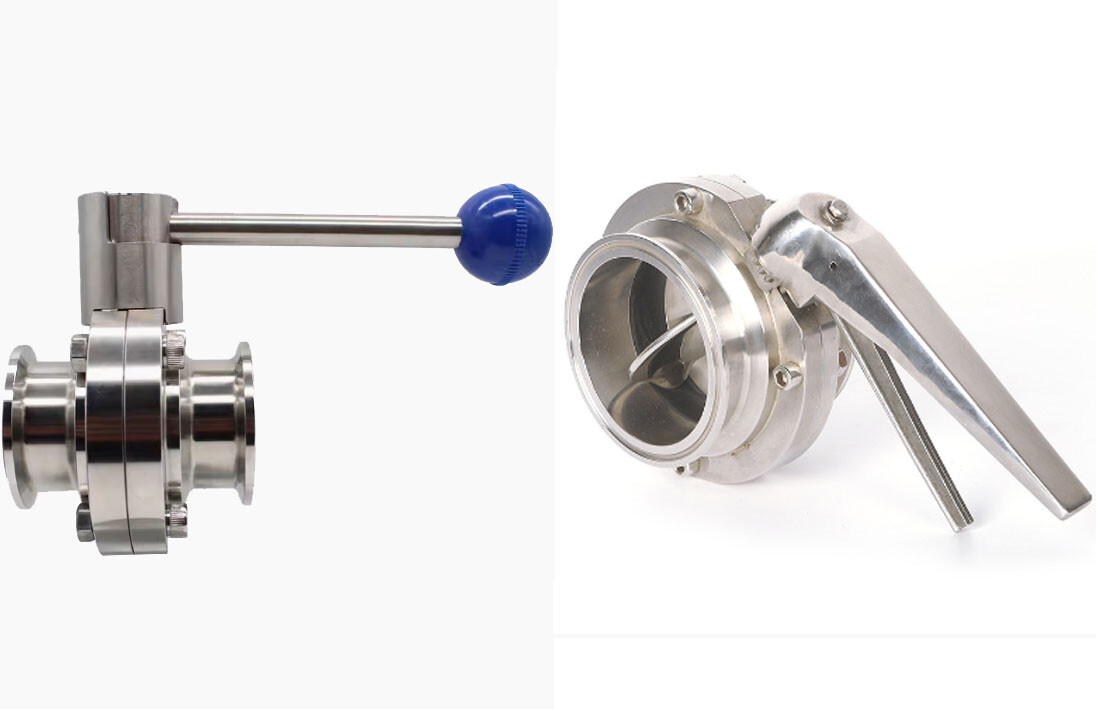
 Rod-Handle Butterfly Valve vs. Lever-Duckbill Butterfly Valve: Which Is Better for Your Craft Beer Brewing Equipment?Selecting the right sanitary valves is crucial for any craft beer brewing equipment setup—whether it’s a brewhouse system, a fermentation cellar, or a CIP cleaning loop. Among the most commonly used valves are the rod-handle (pull-handle) butterfly valve and the lever-duckbill butterfly valve. Although both valves look similar and are widely used in stainless steel brewery fittings, their performance, durability, and user experience can vary greatly.
This article compares the two valve types in terms of structure, operation, hygiene, maintenance, and where they best fit in a microbrewery system. The Aesthetics of Low Residual SugarExplore how low residual sugar shapes the flavor, mouthfeel, and drinkability of craft beer. This blog dives into its technical background, sensory impact, and how it aligns with modern drinkers’ pursuit of balance and body comfort.
") Belgian Wheat Beer Recipe (1000L Batch)Discover our 1000L Belgian wheat beer recipe with pilsner malt, wheat malt, coriander, and orange peel. Perfect for craft breweries using 1000L brewing systems and Belgian yeast strains.
Belgian Wheat Beer Recipe (1000L Batch)Discover our 1000L Belgian wheat beer recipe with pilsner malt, wheat malt, coriander, and orange peel. Perfect for craft breweries using 1000L brewing systems and Belgian yeast strains. Steam Boiler - Should it be left on all the time?In craft beer brewery equipment, maintaining the boiler system properly is crucial for efficient brewing and equipment longevity. One common practice is to keep the brewery boiler running continuously, even during idle periods. The main reason behind this is to prevent corrosion inside the boiler.
When the boiler is turned off, the treated water containing essential chemical additives is no longer circulated. These chemicals play a vital role in countering oxidation, which can damage the boiler metals that come into contact with water. Many modern brewery boiler systems either preheat the water or inject oxygen scavengers to minimize oxidation during operation.
Keeping the boiler running at a low fire or idle state maintains the water temperature, which helps reduce the dissolved oxygen content. This warm environment, along with continuous circulation of protective chemicals, effectively prevents corrosion inside the boiler.
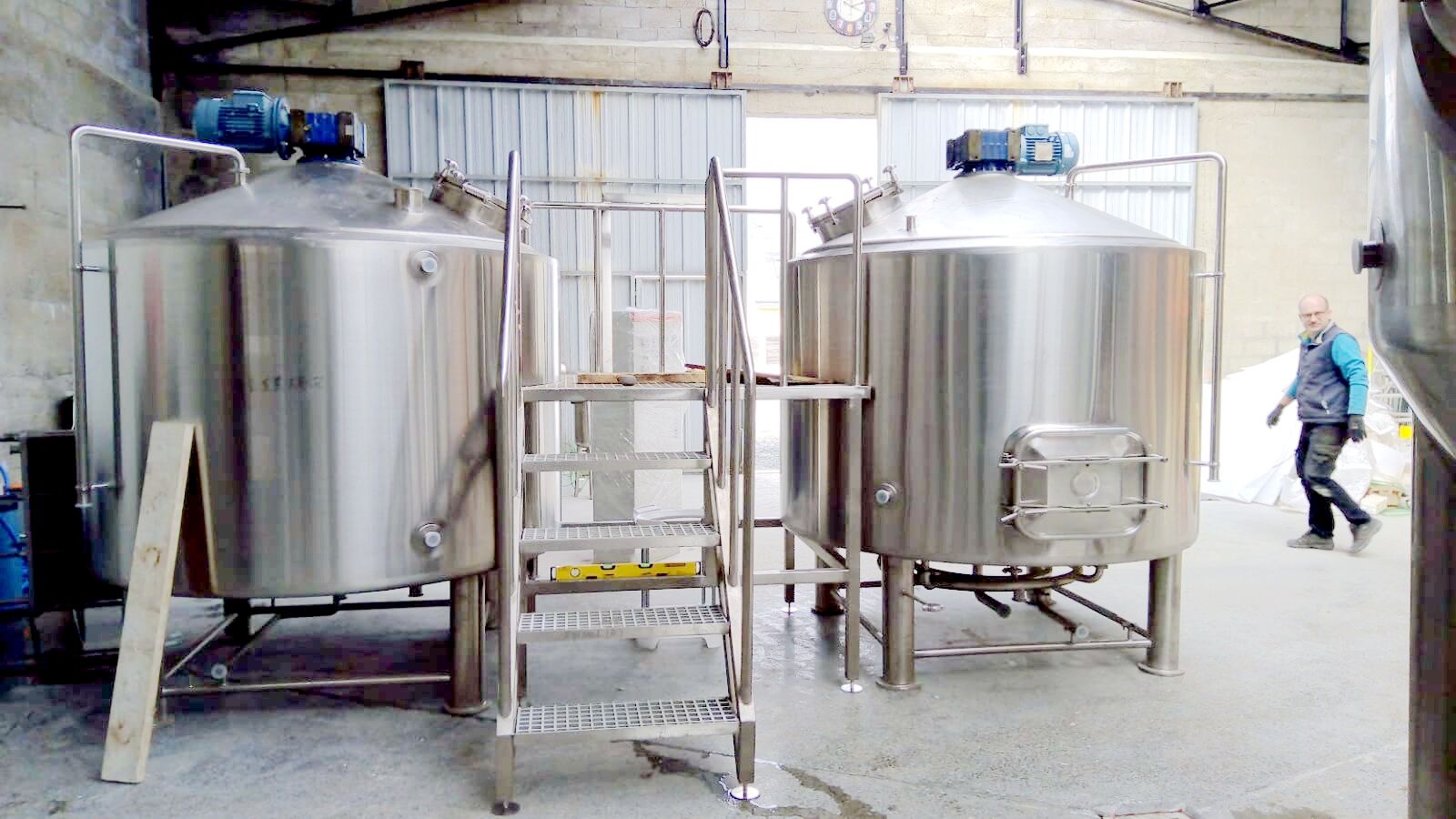
For craft breweries using sophisticated brewing equipment, understanding and applying these boiler maintenance practices can extend the lifespan of the boiler and ensure consistent brewing quality. Proper management of the brewery boiler system is essential to protect your investment and maintain smooth operation throughout the brewing process. 2000L Craft Beer Brewery in FranceThis 2000L beer brewery is under assemble right now, will be finished soon.
It contains 2 vessels brewhouse, 2000L fermenter, and other necessary system.
Cooling system is stainless steel pipeline, which is assembled at our factory, you can assemble it easily.
We write number on each pipe port, it is easy for you to assemble this brewery based on number, it is good during this COVID-19 period.


Please give us a message